January 1st is an odd day to start a new year. While the importance of time is a human conceit,its divisions are based on the natural world, a world too few see anymore.
Every night the starry sky shifts about a degree. (Degree is another word losing its meaning when few folks play with tangents and secants--we have machines have all the fun nowadays.)
In about a year's time, our closest star returns to where we last left it 365 days ago.
The Earth's rotation is (on average) slowing down while humans keep speeding up. A day used to be exactly 86,400 seconds, and still is, so long as you define seconds as 1/86400 of the time it takes the Earth to make a complete rotation (relative to the sun's position in our sky).
With atomic time, a second as defined today will be the same length as a second defined a billion years from now. How long will a day be then?
Depends--if we keep the astronomical definition, a day will still be 86,400 seconds. If the Earth is slowing down enough to add about an average of a 20 millionths of a second to a day each year, then we'll have over 5 more hours to get a days work done in a billion years.

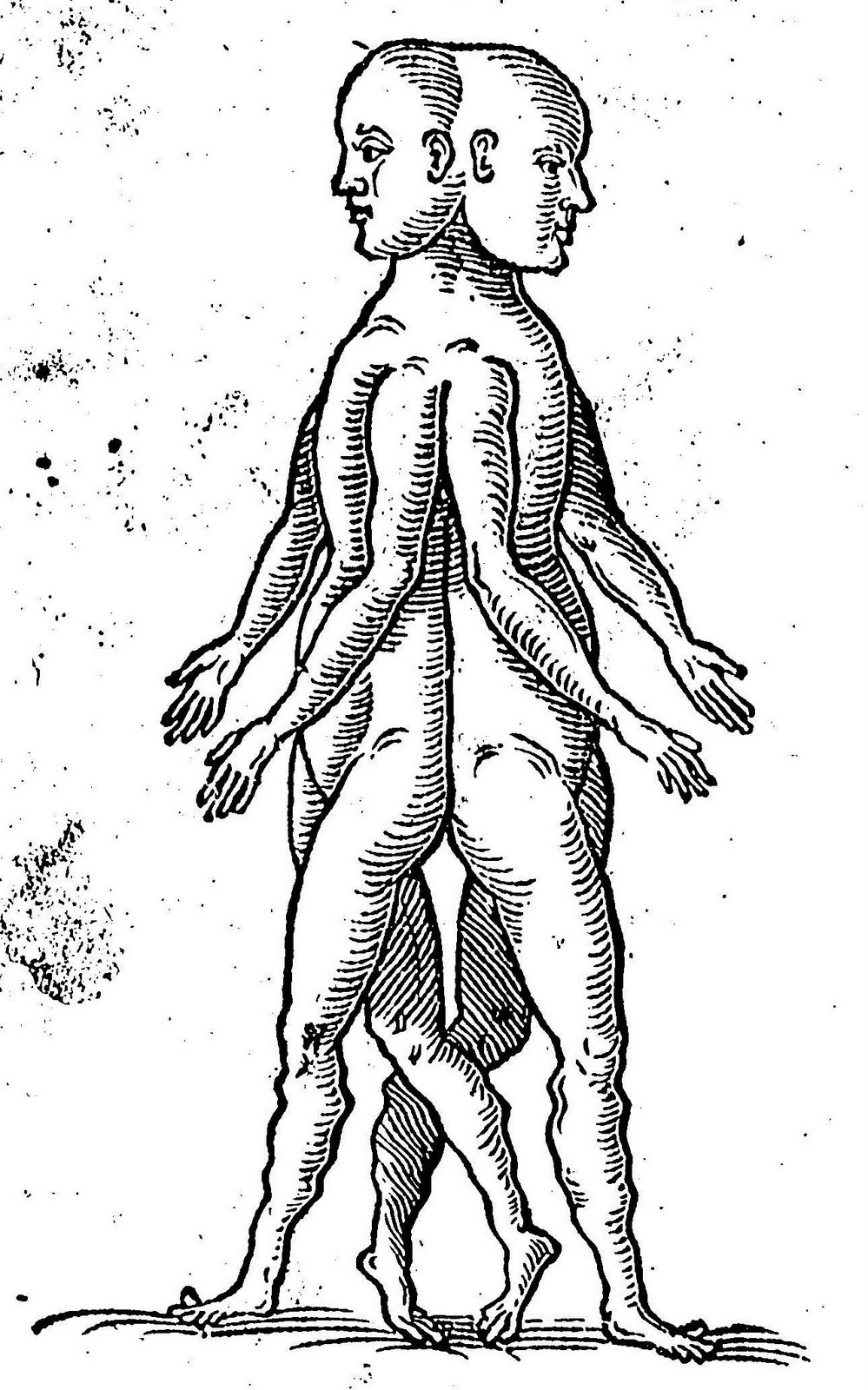
In just three days, Earth will be as close to the sun as it gets in a year. This is a big deal (to three or four of us, anyway). Why not slide the new year to something of more import than some Roman two-faced god? Better yet, why not slide it back 10 days to the winter solstice, when our unconquerable sun starts its return journey to its place high in the sky?